Tattoo culture is more than ink. It is technique, taste and timing.
From fine line tattoos to bold traditional pieces, from coil machines to beginner-friendly pen machines — this is where VELLNOX breaks down the culture, tools and techniques behind modern tattooing.
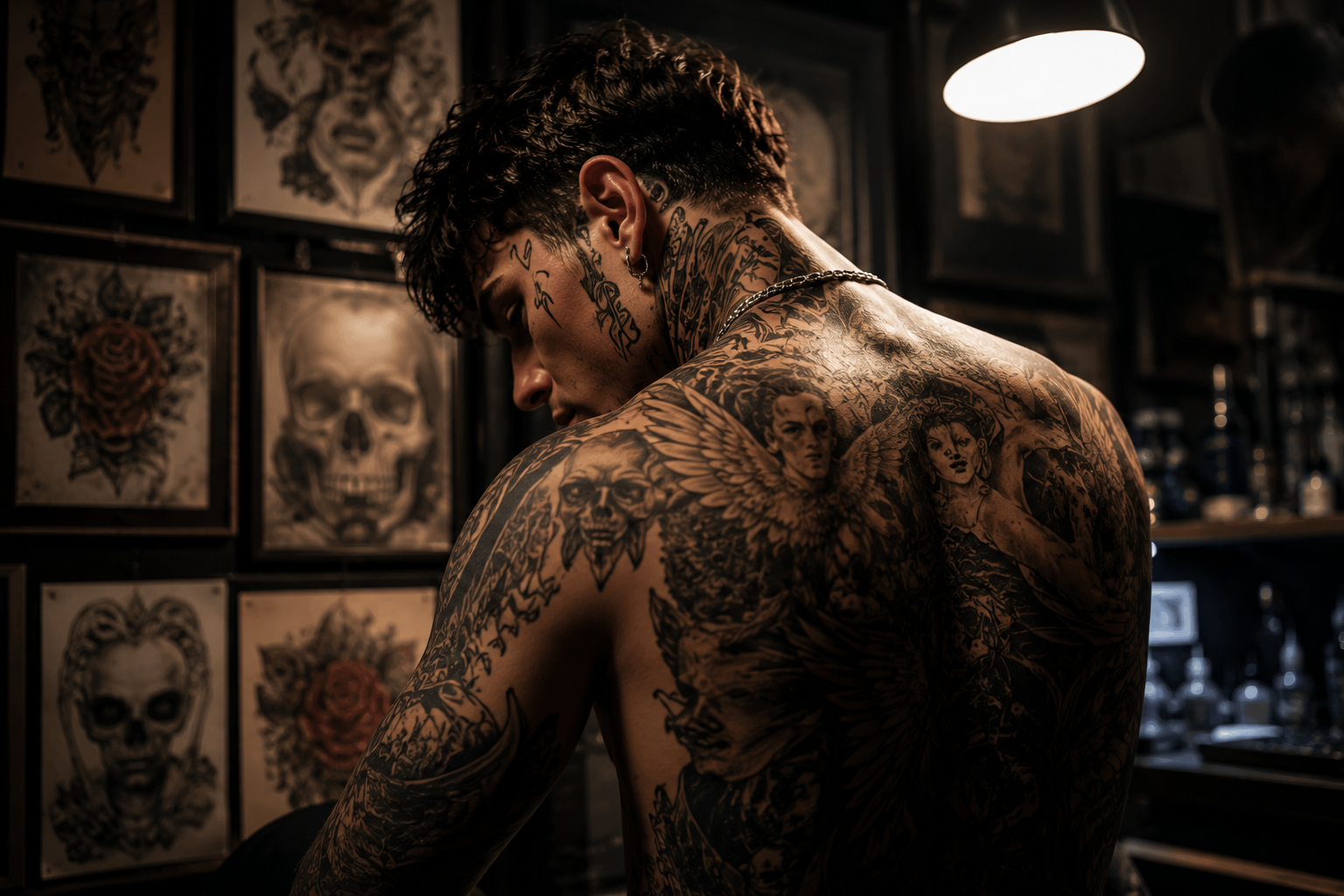
Every style has its own rules.
A tattoo style is not just a look. It affects line weight, shading, composition, needle choice, machine setup and how the tattoo ages over time.
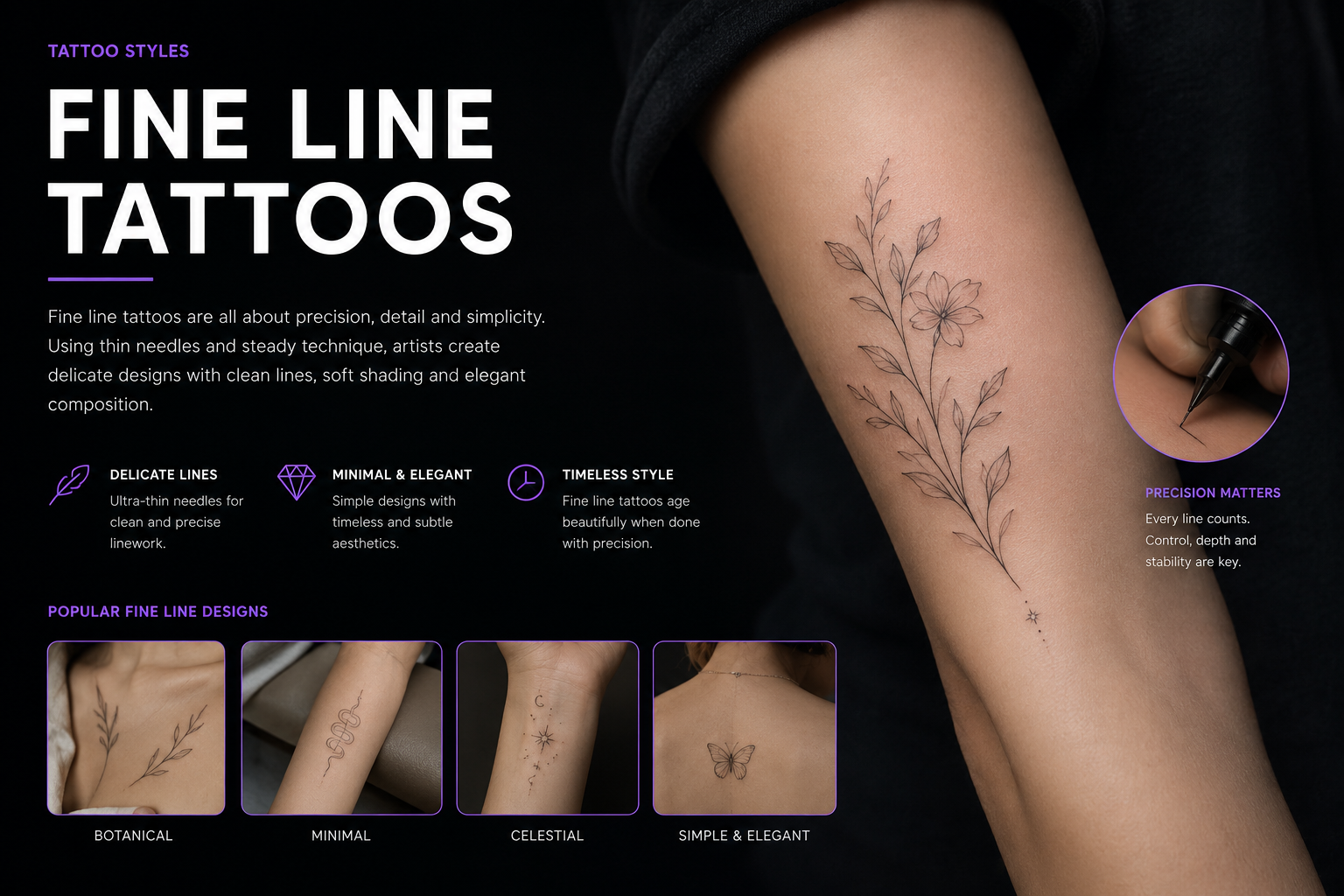
Fine Line
Delicate, minimal and detailed. Fine line tattoos need clean control, stable skin stretching and careful depth.
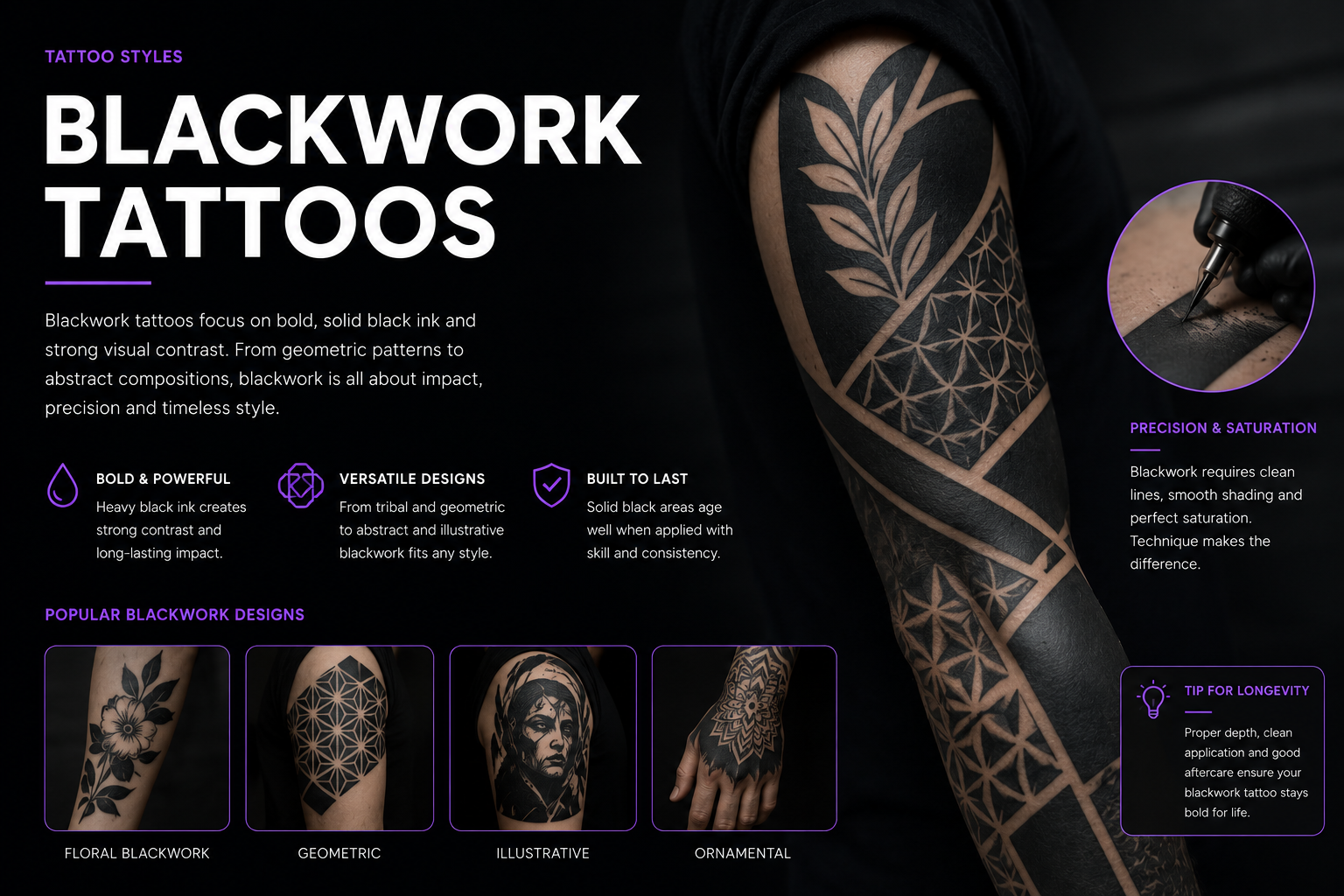
Blackwork
Bold black areas, graphic shapes and strong contrast. The challenge is saturation, consistency and clean edges.
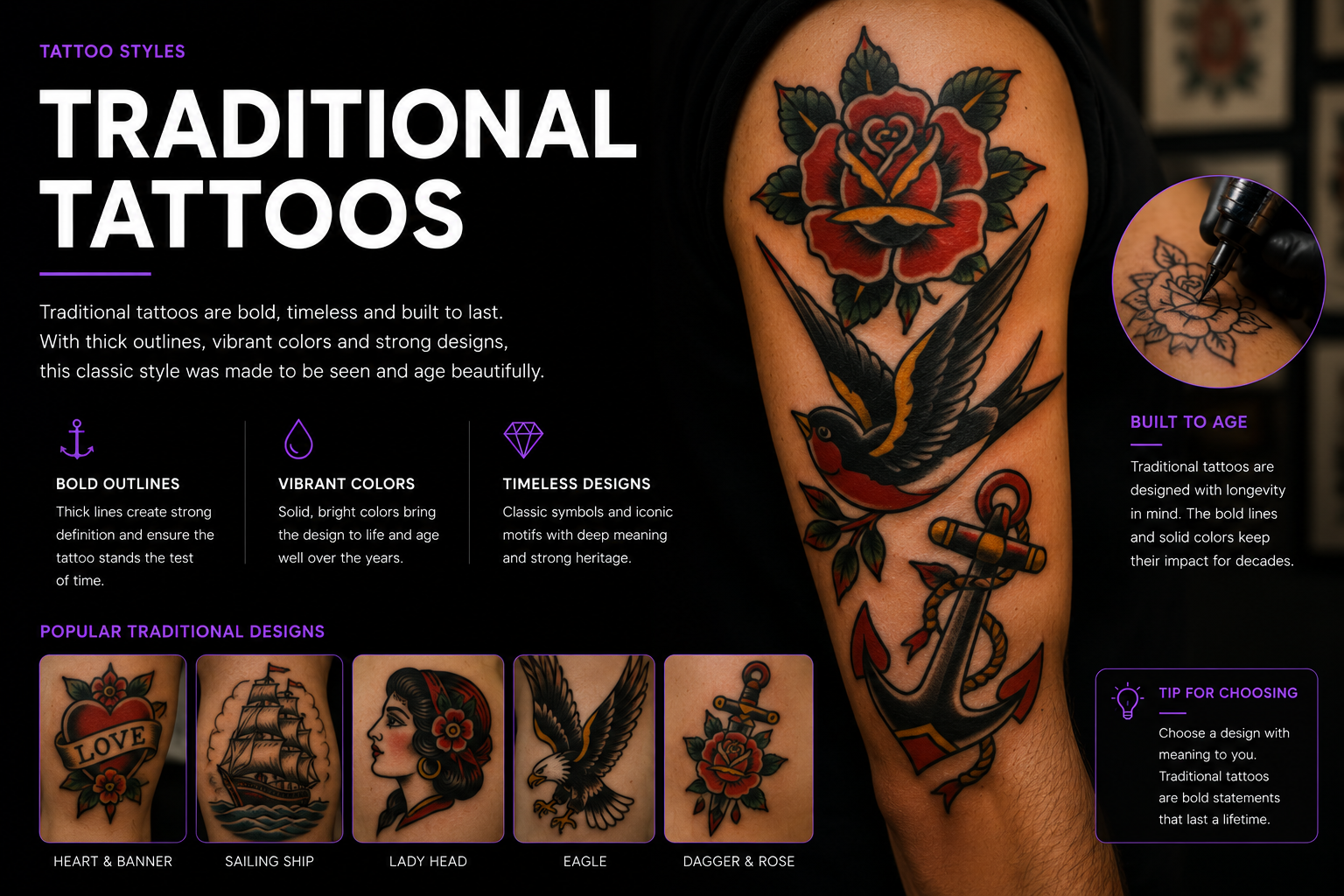
Traditional
Bold outlines, strong colors and classic symbols. Traditional tattoos are built to stay readable and age clearly.
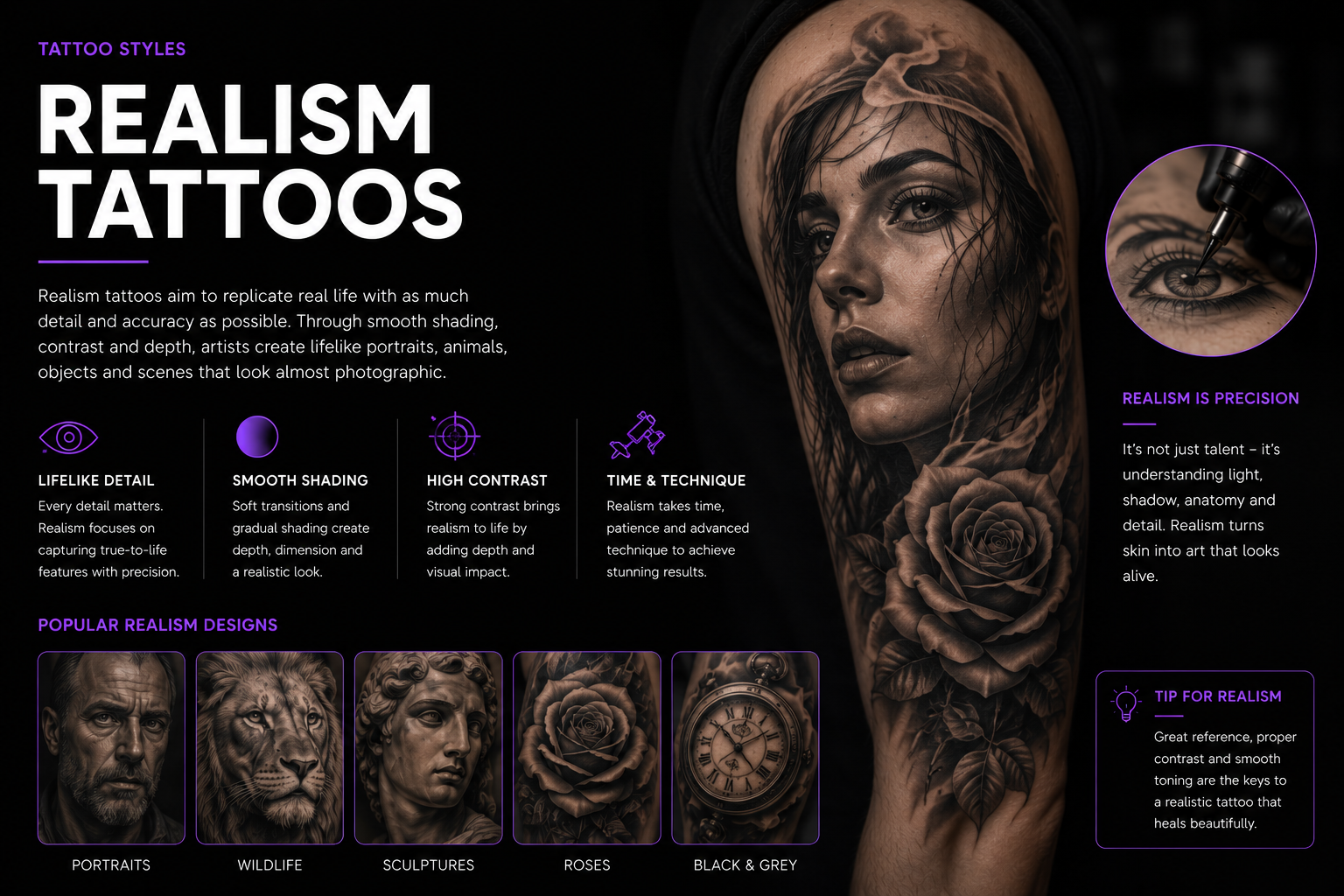
Realism
Soft transitions, high contrast and visual depth. Realism depends heavily on shading control and reference quality.
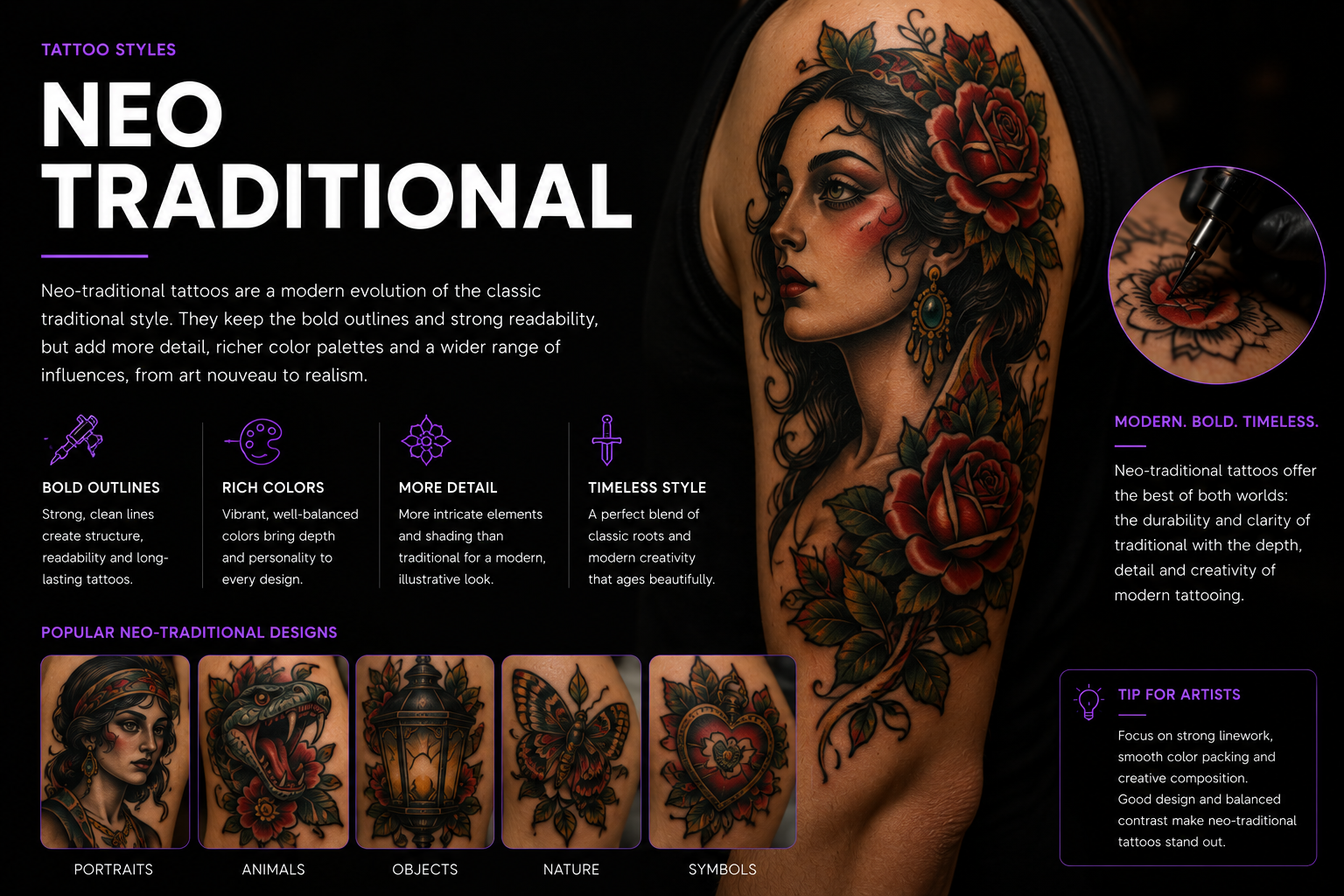
Neo Traditional
Bold outlines, rich colors and more detail. Neo traditional blends classic structure with modern expression.
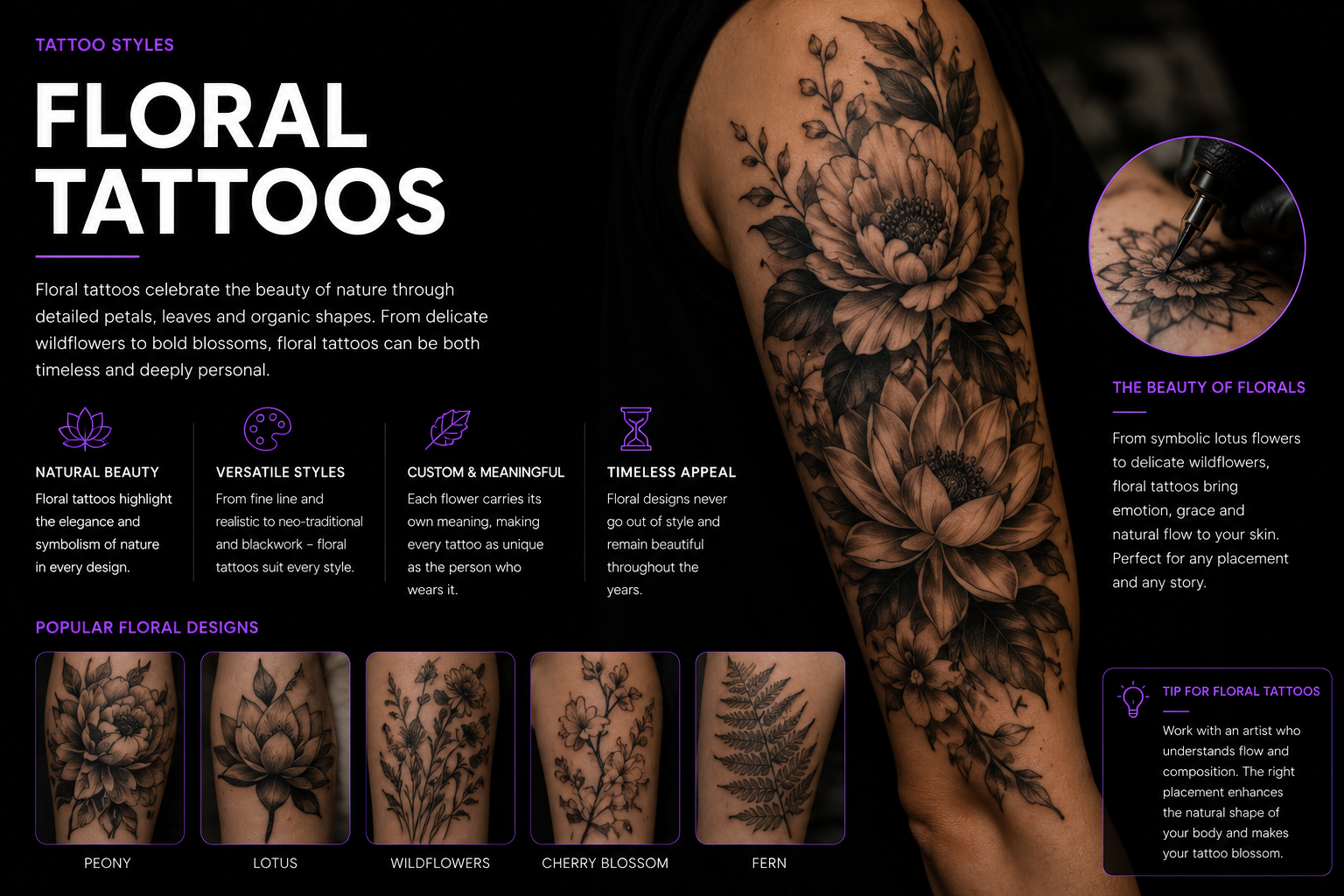
Floral Tattoos
Flowers, leaves and organic shapes. Floral tattoos can be fine, bold, symbolic, decorative or realistic.
Machines shape the way you work.
The right machine depends on your style, speed, hand pressure and what you want to practice: lining, shading, packing or soft transitions.
Coil Machines
Classic, powerful and adjustable. Coil machines are known for their punch and sound, but they usually require more technical understanding and maintenance.
Rotary Machines
Smooth, quieter and often easier to handle. Rotary machines are popular for beginners because they can feel more stable and less intimidating.
Pen Machines
Lightweight, ergonomic and very common today. Pen machines are often used for lining, shading and packing, depending on stroke length, voltage and needle setup.
Wireless Setups
Cordless tattoo machines give more freedom of movement. For beginners, the important part is still control, hygiene and understanding basic machine behavior.
What beginners should actually care about.
A beginner machine should not be chosen because it looks expensive. It should be stable, easy to clean, comfortable to hold and consistent enough for practicing fundamentals.
Best for Lining Practice
For lining, beginners usually need a machine that feels stable, has enough punch and does not struggle with clean single-pass lines.
Best for Shading Practice
For shading, smooth movement and soft control matter more. Beginners should practice whip shading, pendulum movement and soft gradients before trying complex realism.
Clean lines are not luck.
Good lining comes from preparation, machine control and repeatable movement. A shaky line is usually a system problem, not just a hand problem.
Needle Depth
Too shallow can heal patchy. Too deep can cause blowouts and trauma. Beginners should study skin layers carefully before tattooing real skin.
Hand Speed
If the hand moves too fast, lines can look weak. If it moves too slowly, the skin can get overworked. Consistency matters more than force.
Voltage
Voltage is not a magic number. It depends on the machine, needle grouping, hand speed and technique. The goal is a stable rhythm, not the highest setting.
Skin Stretching
Clean lines need stable skin. Poor stretching can make even a good machine feel inconsistent.
Important: tattooing is not just content.
Tattooing involves hygiene, bloodborne pathogen risks, skin trauma and permanent results. This page is for educational and cultural content only. Beginners should learn hygiene standards, local regulations and safe practice before tattooing any person.